
In this tale of lost children and kings in disguise, identities are concealed and lineages forgotten. Only a careful reader will remember what the Sicilian lords and Bohemian rogues are about. The Winters Tale Character Matching Quiz Match the actors to the important roles. Now, match the first name.

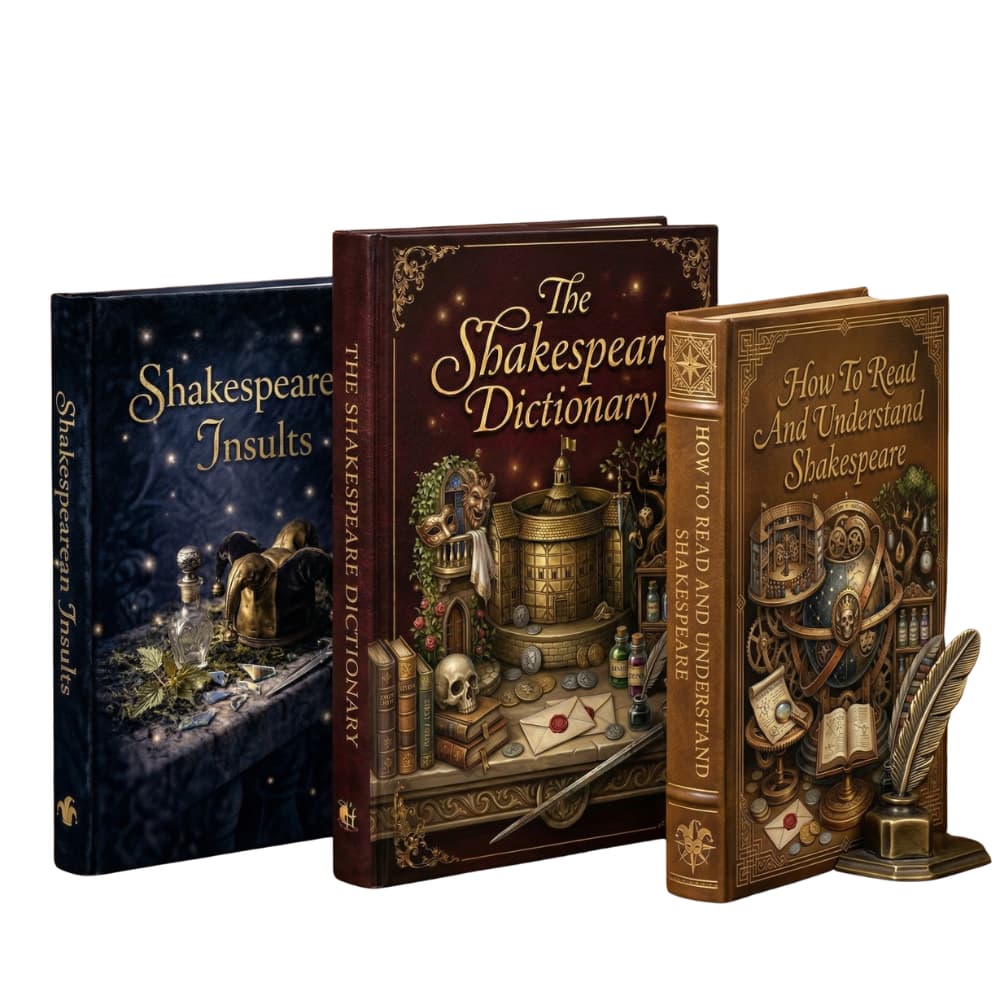
Shakespeare Essentials $19.99
Unlock the wit, wisdom, and world of William Shakespeare with this comprehensive digital bundle.
- How To Read And Understand Shakespeare
- The Shakespeare Dictionary
- Shakespearean Insults
This trio of guides provides everything you need to conquer the Elizabethan era.
The Winters Tale Character Matching Quiz Questions
- Who is the King of Sicilia?
- Who is the Queen of Sicilia?
- Who is the King of Bohemia?
- Who is Leontes’ son?
- Who is Leontes’ loyal courtier who flees Sicilia?
- Who delivers the infant Perdita to Bohemia?
- Who speaks most fearlessly to Leontes during his tyranny?
- Who raises Perdita as his own child?
- Who is the son of Polixenes?
- Who falls in love with Perdita?
- Who serves as the play’s trickster and rogue?
- Who brings the oracle’s message from Delphi?
- Who is Cleomenes’ companion on the journey to Delphi?
- Who reveals the truth about Hermione’s survival?
- Who delivers the famous “Exit, pursued by a bear” scene?
- Who disguises himself to attend the sheep-shearing feast?
- Who aids Florizel and Perdita in fleeing Bohemia?
- Who personifies truth and conscience in the play?
- Who brings comic relief through song and deception?
- Who provides Leontes with the moral guidance he rejects early on?
- Who symbolizes innocence and restoration?
- Who represents the destructive power of jealousy?
- Who embodies loyalty to both Leontes and Polixenes?
- Who delivers the oracle that restores Hermione’s honor?
- Who dies after abandoning Perdita in Bohemia?
- Who delivers Hermione’s child from prison to safety?
- Who is the honest rustic who finds Perdita?
- Who is the Shepherd’s simple-minded but kind son?
- Who leads Leontes to repentance through harsh truth?
- Who symbolizes the rebirth and reconciliation at the end of the play?