
The 15th-century court is replete with the specialised language of chivalry, siege warfare and bitter heraldic disputes. One has to navigate these archaic terms to make it through the political minefield that is this Henry VI Part 1 Vocabulary Quiz. Show you speak the tongue of the Plantagenets, Before the first prompt.

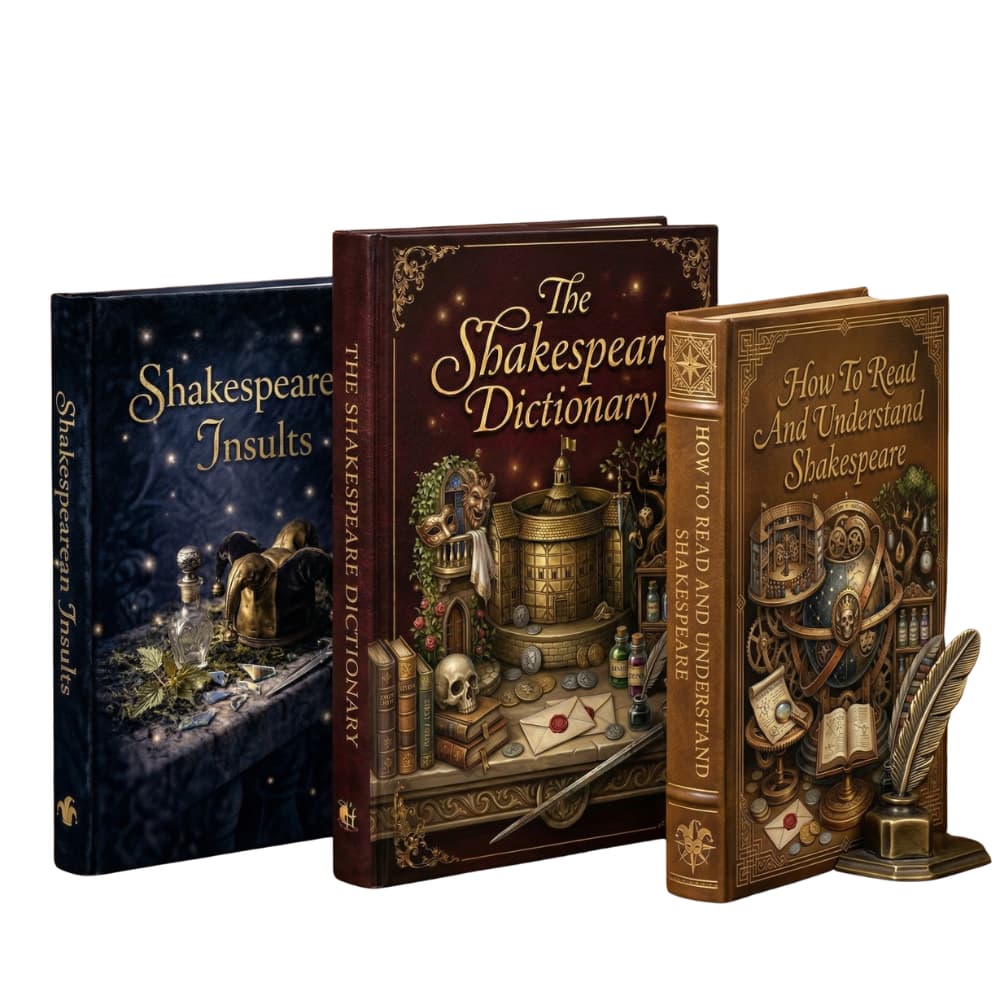
Shakespeare Essentials $19.99
Unlock the wit, wisdom, and world of William Shakespeare with this comprehensive digital bundle.
- How To Read And Understand Shakespeare
- The Shakespeare Dictionary
- Shakespearean Insults
This trio of guides provides everything you need to conquer the Elizabethan era.
Henry VI Part 1 Vocabulary Quiz Questions
- In the play, the word “regent” most nearly means
- The term “viceroy” refers to
- When Talbot calls Joan a “puzzel,” the word means
- The word “orison” used by Joan means
- The word “heretic” in the play refers to
- The term “usurp” as used in political conflict means
- “Valor” most nearly means
- The word “choler” signifies
- When characters speak of “succour,” they mean
- The word “pale” in the context of territory means
- “Consort” in the context of royalty refers to
- The word “vile” as used by Talbot means
- The word “piteous” in the line “piteous spectacle” means
- The term “retinue” refers to
- “Reverence” in the play signifies
- The word “fain” as used by Henry means
- The term “traitor” is used to mean
- “Ensign” in the military context means
- The word “piteous” as used by Talbot again suggests
- “Fiend” as used for Joan’s spirits means
- The term “parley” refers to
- The word “yea” most nearly means
- When Gloucester speaks of “contention,” he refers to
- “Knight-errant” signifies
- The term “foe” throughout the play means
- The word “banish” means
- The term “nunnery” refers to
- “Virtue” in the moral context means
- The word “decree” most nearly means
- “Entreat” as used by Henry means