
The indictment, a scrivener notes, was written before the crime was committed, which shows the absolute corruption of the state. This Richard III Act 3 Scene 6 Quiz looks at the brief but effective scene that exposes the common people to the truth behind the façade of the monarchy. As you go, think of the silence of the city.

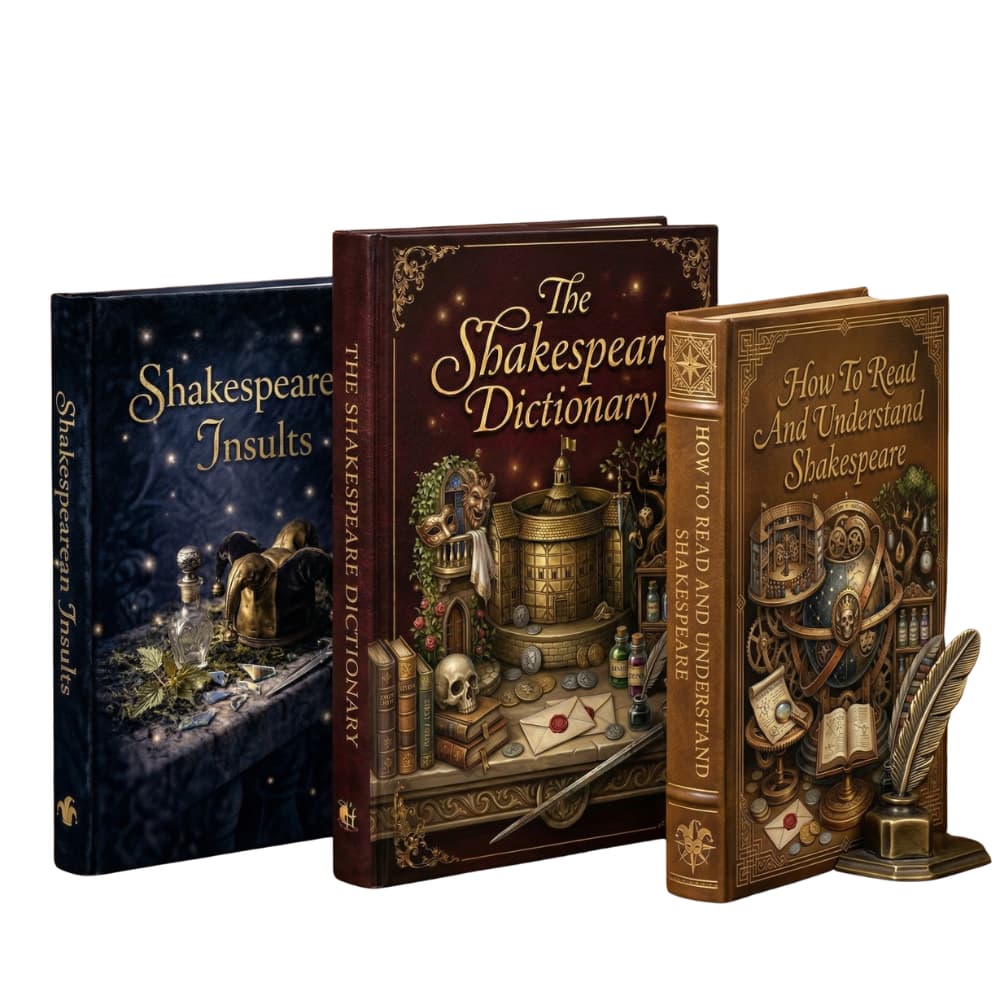
Shakespeare Essentials $19.99
Unlock the wit, wisdom, and world of William Shakespeare with this comprehensive digital bundle.
- How To Read And Understand Shakespeare
- The Shakespeare Dictionary
- Shakespearean Insults
This trio of guides provides everything you need to conquer the Elizabethan era.
Richard III Act 3 Scene 6 Quiz Questions
- Who appears in Act 3 Scene 6 to comment on recent events?
- What document is the Scrivener responsible for copying?
- How long does the Scrivener say it took him to write the document?
- What does the Scrivener realize about Hastings’ execution?
- Why is the Scrivener troubled by the timing of the events?
- What emotion does the Scrivener express in his monologue?
- What theme does this scene primarily highlight?
- What does the Scrivener say about the written accusation against Hastings?
- Who does the Scrivener indirectly accuse of manipulating justice?
- What does the Scrivener suggest about the common people?
- What literary device dominates this scene?
- What tone pervades the Scrivener’s speech?
- What is the setting of this scene?
- What does the Scrivener compare his work to?
- What does this scene reveal about public perception of Richard’s rule?
- Why is the Scrivener significant in the structure of the play?
- How does the Scrivener describe the speed of Hastings’ trial?
- What word best describes the justice system in this scene?
- What does the Scrivener’s reflection add to the play’s tone?
- What does this brief scene provide between acts of high tension?
- What does the Scrivener lament about human behavior?
- What does this scene foreshadow?
- What does the Scrivener’s honesty contrast with?
- How does this scene affect the pacing of the act?
- What role does the Scrivener play in Shakespeare’s design?
- How does the Scrivener’s monologue serve the audience?
- What object symbolizes corruption in this scene?
- How does the Scrivener describe the people’s reaction to Hastings’ death?
- What broader theme does this scene reinforce in the play?
- What is the final tone of the Scrivener’s reflection?