
The language of the 17th century stage is replete with the terminology of falconry, heraldry and the racking symptoms of lovesickness. The only way to grasp the nuances of dialogue between Theseus and his knights is to master these specific terms. Test your linguistic depth with this The Two Noble Kinsmen Vocabulary Quiz. Every word matters.

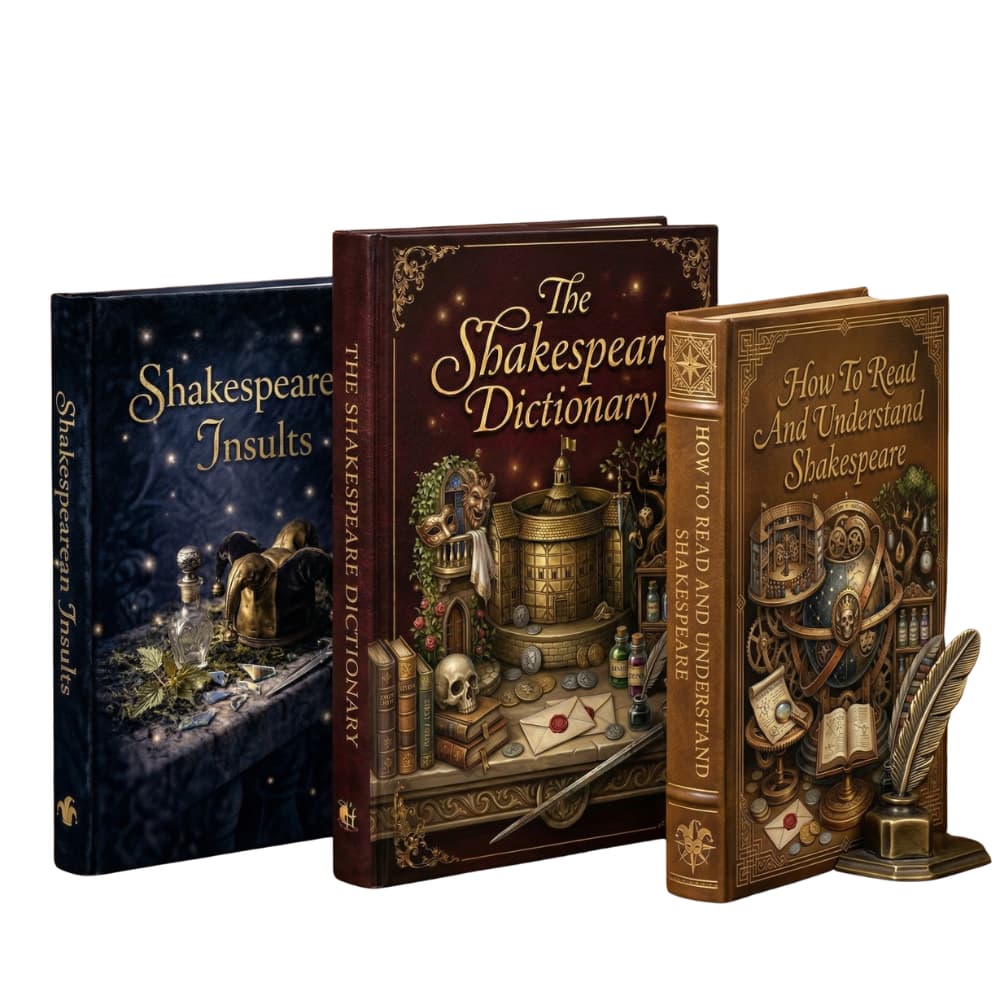
Shakespeare Essentials $19.99
Unlock the wit, wisdom, and world of William Shakespeare with this comprehensive digital bundle.
- How To Read And Understand Shakespeare
- The Shakespeare Dictionary
- Shakespearean Insults
This trio of guides provides everything you need to conquer the Elizabethan era.
The Two Noble Kinsmen Vocabulary Quiz Questions
- In the play, the word “kinsmen” most nearly means
- The word “noble” in the title primarily refers to
- When Arcite speaks of “valor,” he refers to
- The word “virtue” as used in the play most nearly means
- “Chivalry” in the context of Theseus’s court refers to
- When the Jailer’s Daughter calls Palamon “gracious,” she means
- The word “fidelity” as applied to Palamon means
- The term “wooer” in the play means
- The word “thee” translates to
- When characters speak of “honor,” they mean
- The word “betwixt” in the dialogue means
- “Visage” in the play most closely means
- When Emilia says “fancy,” she means
- The word “melancholy” in Shakespeare’s vocabulary means
- When Arcite speaks of “fortune,” he refers to
- “Beseech” in the play means
- The term “piteous” as used by the Jailer’s Daughter means
- “Lament” in context means
- When Theseus calls for “justice,” he seeks
- The word “madness” in the play refers to
- “Dwell” in Elizabethan English most nearly means
- The term “piteous heart” describes someone who is
- When Emilia says “maid,” she means
- “Foe” as used in battle scenes means
- The phrase “gentle blood” refers to
- When Arcite speaks of “bond,” he means
- “Alas” is best translated as
- “Fair lady” in courtly speech means
- When the Jailer’s Daughter says “I am undone,” she means
- The term “resolve me” in Shakespeare’s language means