
The most awful act of miserable massacre is described with a poetic sadness that chills the blood. This Richard III Act 4 Scene 3 Quiz looks at the aftermath of the princes’ deaths, and the king’s growing sense of isolation. Start by recalling the details of the burial.

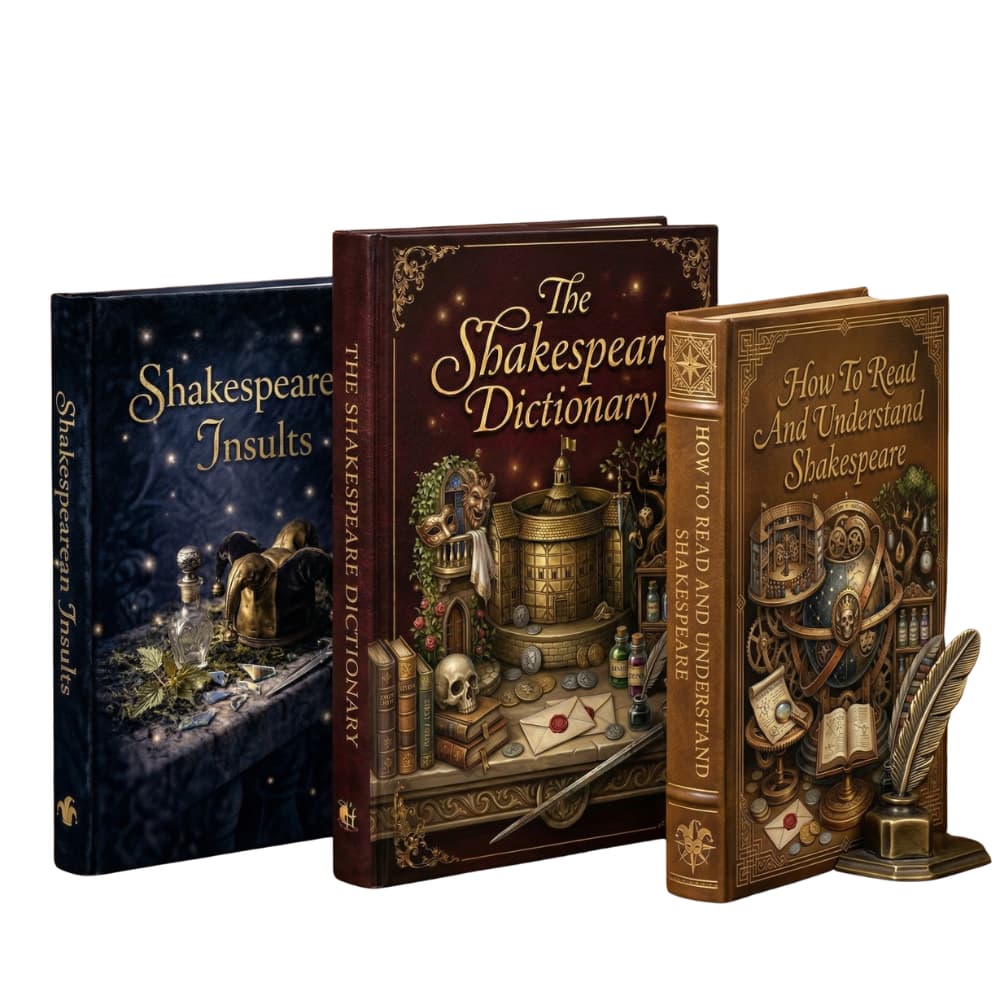
Shakespeare Essentials $19.99
Unlock the wit, wisdom, and world of William Shakespeare with this comprehensive digital bundle.
- How To Read And Understand Shakespeare
- The Shakespeare Dictionary
- Shakespearean Insults
This trio of guides provides everything you need to conquer the Elizabethan era.
Richard III Act 4 Scene 3 Quiz Questions
- Who reports the murder of the princes in Act 4 Scene 3?
- What does Tyrrel confess to Richard?
- Who were the murderers hired by Tyrrel?
- Where were the princes killed?
- How does Tyrrel describe the princes’ deaths?
- What does Tyrrel say about his feelings afterward?
- How does Richard respond to the news of their deaths?
- What does Richard say about Queen Anne in this scene?
- What reason does Richard give for Anne’s death?
- Whom does Richard plan to marry next?
- What is Richard’s main motivation for marrying Elizabeth?
- Who enters after Tyrrel exits?
- What news does Catesby bring Richard?
- What does Richard ask Catesby about Buckingham?
- How does Catesby respond?
- What was Buckingham’s promised reward?
- What does Richard decide about Buckingham in this scene?
- What important event does Richard now plan?
- What does Richard fear in this scene?
- How does Richard describe himself in this scene?
- What mood dominates Richard’s soliloquy after Tyrrel’s report?
- What does the murder of the princes symbolize?
- How does Shakespeare contrast Tyrrel and Richard in this scene?
- What message does the audience receive about power?
- Which character’s downfall is foreshadowed by the end of the scene?
- What event does Richard hope his marriage to Elizabeth will achieve?
- What tone pervades the end of the scene?
- What does this scene reveal about Richard’s ambition?
- What emotion does the audience feel at the end of the scene?
- What does this scene mark in the structure of the play?